How Data-Driven Tools Are Reshaping Decision-Making in Mobile Apps for Football Wagers and Slots
Parker Reed · Aug 22, 2026
How Data-Driven Tools Are Reshaping Decision-Making in Mobile Apps for Football Wagers and Slots
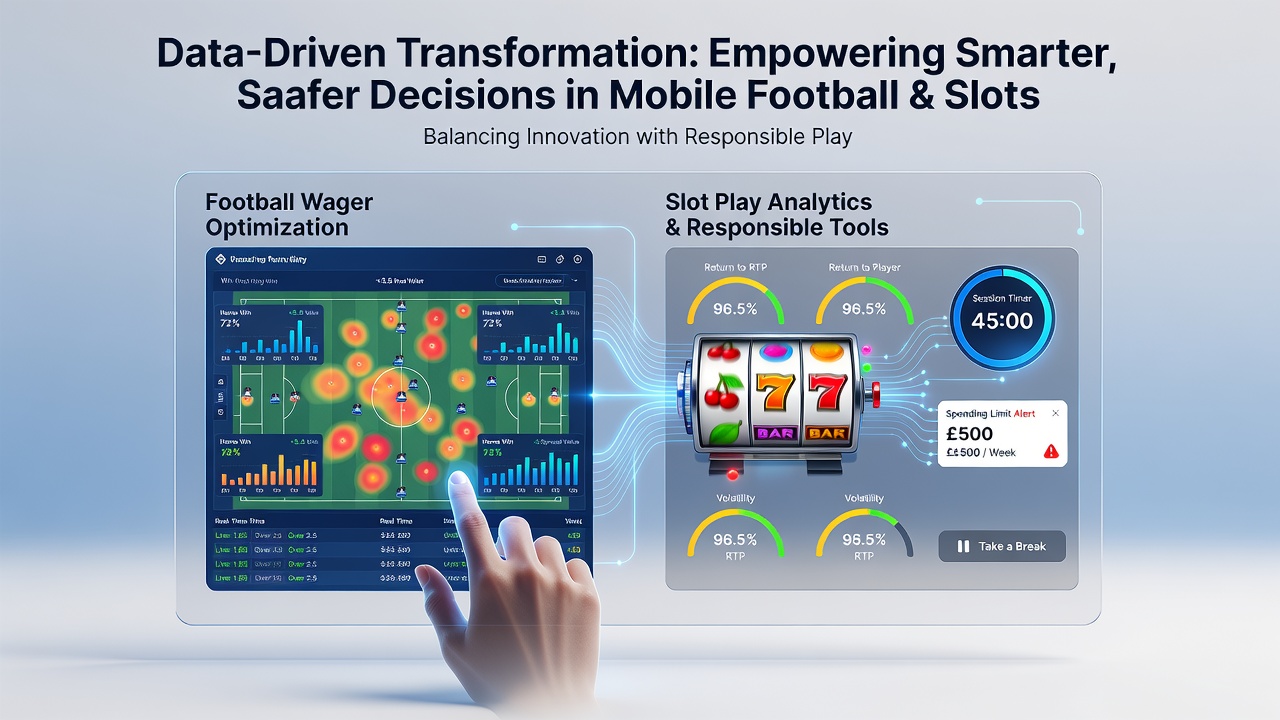
Data integration across mobile platforms now combines real-time statistics, user behavior patterns, and predictive models to guide choices in football wagers and slot sessions, while built-in controls track activity levels to flag potential issues early. Observers note that developers embed algorithms drawing from historical match outcomes, player performance metrics, and betting trends to present options that align with past user selections without overriding individual input.
Analytics in Football Wagering Apps
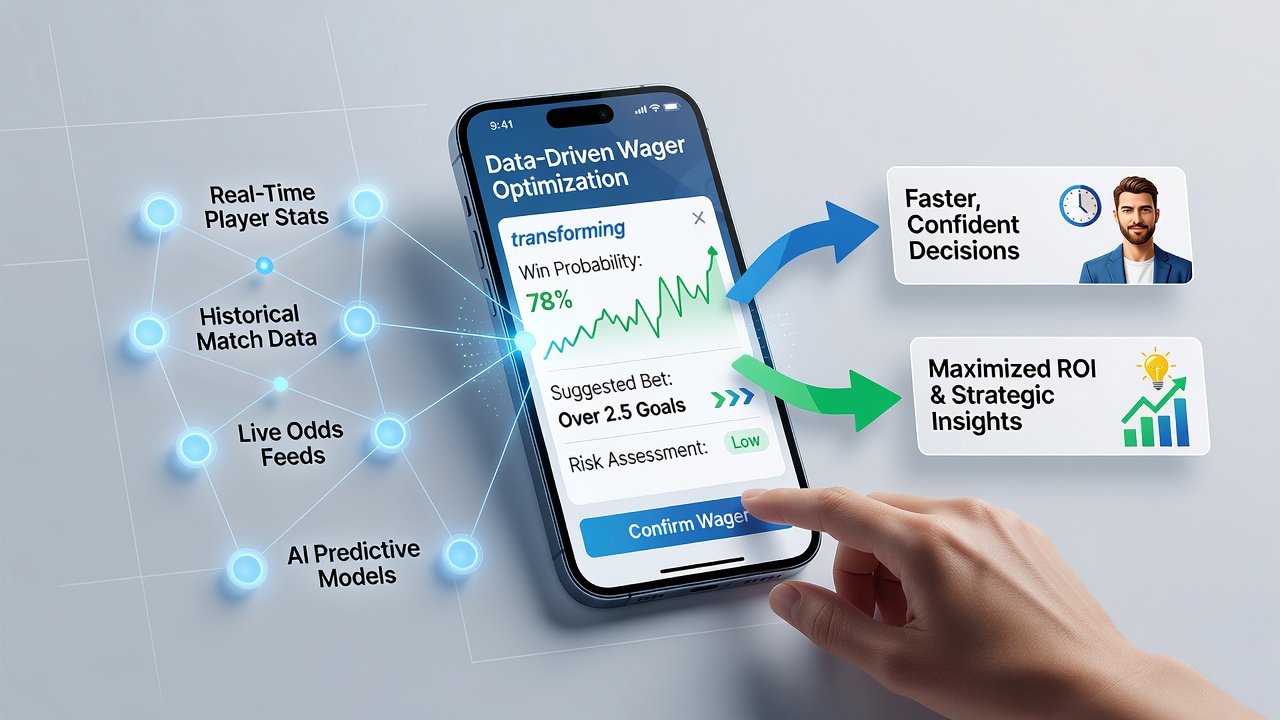
Football-focused applications pull live data feeds from leagues worldwide, processing variables such as team form, head-to-head records, and weather conditions through machine learning systems that update probabilities every few minutes. Researchers at institutions tracking industry trends report that these systems allow users to adjust stake amounts or switch markets based on shifting odds derived from aggregated market activity rather than isolated guesses. In August 2026 several platforms expanded their API connections to include advanced scouting reports and injury databases, which in turn feed into decision trees that highlight value bets while simultaneously logging session duration and frequency for separate review.
Users receive suggestions framed around statistical correlations instead of guarantees, and the same datasets power tools that compare current odds against historical benchmarks to show deviation ranges. This approach stems from partnerships with data providers that supply granular event logs, enabling apps to surface alternatives when a selected wager deviates from established patterns observed across thousands of similar matches.
Personalization in Slot Play Environments
Slot applications apply clustering techniques to categorize play styles according to spin frequency, bet size consistency, and game selection sequences, then adjust interface elements like quick-spin options or bonus round previews accordingly. Data indicates that such personalization reduces navigation time while the underlying models continue to monitor deviation from established routines that might signal shifts in engagement levels. Regulatory filings from multiple jurisdictions show operators must retain these behavioral datasets for compliance audits, creating parallel streams that support both feature refinement and responsible play alerts.
Random number generators remain central to slot outcomes, yet surrounding analytics layers track voluntary limit adherence and time spent per game type. Those who study digital gambling patterns have documented how these layers generate weekly summaries that users can export or review inside the app, providing concrete figures on total spins, average bet amounts, and net results without interpretive commentary from the platform itself.
Responsible Habit Support Mechanisms
Apps incorporate threshold-based notifications triggered when deposit totals, loss amounts, or consecutive session lengths reach user-defined parameters, drawing from the same data pipelines that inform wager recommendations. Evidence from academic reviews of digital interventions highlights that real-time pop-ups combined with cool-off prompts correlate with higher rates of self-imposed breaks compared to static policy pages. Canadian research centers focused on behavioral health have published findings on how integrated dashboards display cumulative activity alongside peer benchmarks derived from anonymized aggregates, allowing individuals to contextualize their own figures against broader distributions.
Further layers include predictive flags that identify sequences resembling rapid escalation, prompting offers to set temporary restrictions or connect with external support resources. These features operate independently of promotional content, relying instead on rule sets established by platform operators in line with regional licensing conditions outside the UK framework.
Integration Across Platforms and Future Directions
Cross-device synchronization ensures that data collected during mobile football sessions carries over to desktop slot interfaces, maintaining consistent limit tracking and recommendation logic. Industry reports from organizations such as the American Gaming Association detail how standardized data schemas now facilitate smoother transfers between operators when users switch applications, while preserving privacy controls that strip personally identifiable information from shared analytics pools.
One study released through the Ontario Problem Gambling Research Centre examined longitudinal datasets spanning multiple years and found measurable differences in session lengths when apps surfaced both performance insights and activity summaries side by side. Developers continue to refine these dual-purpose systems, testing variations that prioritize transparency of the underlying calculations so users understand which inputs drive each suggestion.
Conclusion
The convergence of predictive modeling, behavioral monitoring, and user-controlled parameters has produced mobile environments where decisions about football wagers and slot play draw directly from processed data streams, while parallel safeguards surface activity metrics that support self-regulation. Continued expansion of data sources and regulatory alignment across regions sustains this dual functionality without requiring separate applications for entertainment and oversight features.